This year, Sengtor
The development and changes of the company in 2025
Dec 31,2025
The development and changes of the company in 2025
Dec 31,2025

The article also outlines expanding application prospects across food & beverage, e-commerce, healthcare, and agriculture—industries where plseco’s certified, customized solutions deliver durability, sustainability, and compliance. As a leader with 12 years of R&D expertise and global certifications, plseco empowers businesses to embrace planet-friendly packaging that meets consumer demands and drives industry-wide green transformation.
Dec 11,2025
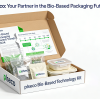
It highlights plseco’s customized compostable packaging solutions—engineered to solve industry-specific pain points like heat/grease resistance for delivery meals and breathability/protection for fresh produce. The article details customization options (size, printing, functionality), compliance with global certifications (ASTM D6400, EN13432), and plseco’s end-to-end support (samples, design, education).
Dec 8,2025
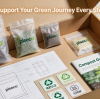
This blog compares three mainstream biodegradable packaging materials—corn starch blends, PLA (Polylactic Acid), and PHA (Polyhydroxyalkanoates)—across critical metrics: environmental impact,degradation performance, practicality, cost, and real-world use. It reveals the hidden flaws of popular options (e.g., corn starch’s resource competition, PLA’s strict industrial compost requirements) and highlights PHA as the most eco-friendly choice,thanks to universal compostability and zero microplastics
Dec 4,2025
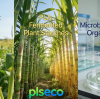
It highlights plseco’s certified compostable bags (BPI, ASTM D6400, OK Compost) and their plant-based design, which is engineered to decompose (not be recycled). The article outlines a simple 3-step disposal process (identify local compost resources, prep bags, follow the “compost-only” rule) and emphasizes plseco’s clear labeling and education tools that help users avoid mistakes.
Dec 1,2025
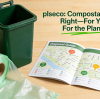
This blog addresses the common confusion: “Are compostable bags recyclable?” with a clear “no” and explains why mixing compostable bags with recyclables causes machinery disruptions, batch contamination, and wasted resources. It highlights plseco’s certified compostable bags (BPI, OK Compost, ASTM D6400) made from plant-based blends (PLA, PBAT, cornstarch) and outlines their core differences from petroleum-based recyclable plastics.
Nov 27,2025
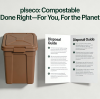
This blog explores how communities are leading the shift to compostable shopping bags—turning them from eco-friendly alternatives to daily standards—and plseco’s role in supporting this movement. It details 6 community-focused use cases (retail/grocery, farmers’ markets, schools, events, food service, healthcare) where plseco’s tailored compostable bags deliver convenience and sustainability.
Nov 17,2025
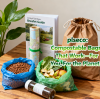
This blog explores how communities are leading the shift to compostable shopping bags—turning them from eco-friendly alternatives to daily standards—and plseco’s role in supporting this movement. It details 6 community-focused use cases (retail/grocery, farmers’ markets, schools, events, food service, healthcare) where plseco’s tailored compostable bags deliver convenience and sustainability.
Nov 13,2025
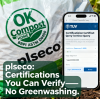
This blog outlines 6 critical details to verify when purchasing compostable plastic bags, helping buyers avoid greenwashing and subpar products. It emphasizes checking third-party certifications (e.g., OK Compost HOME, ASTM D6400), matching decomposition conditions to use cases (home vs. industrial compost), testing performance (load-bearing, leak resistance), verifying ethical raw material sourcing, ensuring no harmful additives, and evaluating post-purchase support.
Nov 10,2025
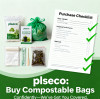
This blog explores how plseco’s compostable bags address sustainability pain points across the farm-to-fork chain—from farms to distribution to retail and home use. For farmers, it details solutions like crop protection bags, biodegradable mulch films, and seedling starter bags that nurture soil without plastic waste. For distributors, it highlights moisture-resistant transport bags and ventilated bulk bags that reduce produce spoilage.
Nov 6,2025
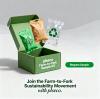
This blog explores the three core raw materials for biodegradable plastic bags—PLA (plant-powered, rigid), PBAT (flexibility-boosting, durable), and starch-based blends (cost-effective, fast-composting)—and how plseco leverages them to create high-performance, eco-friendly products. It details each material’s traits, limitations, and plseco’s optimized blends (e.g., 60% PLA+40% PBAT for trash bags) to balance strength, flexibility, and biodegradability.
Nov 3,2025
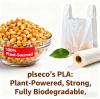
This blog by PLSECO outlines key criteria for choosing a reliable biodegradable plastic bags supplier in 2025, including third-party certifications, product quality/customization, production capacity, and authentic sustainability practices. It also provides a 5-step vetting checklist and highlights PLSECO’s strengths—such as global certifications, 300,000-ton annual capacity, and renewable energy use—to help businesses future-proof operations and align with sustainability goals.
Oct 30,2025
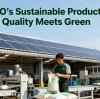
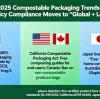
2025 marks a pivotal year for compostable packaging, with 5 key trends reshaping the industry: global-local policy compliance, home compostable solutions as the new norm, high-performance eco-friendly packaging, transparency-driven trust, and end-to-end circularity. This blog details these trends and highlights plseco’s role in supporting brands—from pre-certified products (meeting EU EN13432, ASTM D6400) and home-compostable items (food waste bags, produce nets) to high-performance solutions.
Oct 27,2025
In 2025, selecting reliable biodegradable plastic bag suppliers is critical for enterprises to meet global environmental policies and consumer demands. This blog breaks down 4 non-negotiable selection standards and introduces plseco – a leading brand with global certifications . It also shares plseco’s 5-step supplier vetting process and popular products, helping businesses find compliant, high-quality, and sustainable packaging partners to reduce plastic pollution and enhance brand value.
Oct 24,2025